Construction Knowledge Bank
Tender/Bid Management

Digital Tender/Bid Management

This section examines the key challenges associated with traditional tender management and explains how digital solutions can help improve tendering outcomes.

Use Back button ← on your browser to return to previous menu

Digital Tender/Bid Management: Improving Accuracy, Efficiency and Control

The construction tendering/bidding process has become increasingly complex. Contractors must manage large volumes of drawings, specifications, supplier quotations, subcontractor pricing, tender clarifications and supporting documentation while working to strict submission deadlines.

Traditionally, many organisations have relied on spreadsheets, email and shared network folders to manage tender activities. While these tools remain common, they can create significant challenges as projects become larger, more complex and more collaborative.

Digital tender management systems provide a structured approach to organising tender information, managing workflows and maintaining control throughout the bidding process. By centralising project information and improving collaboration, contractors can reduce risk, improve efficiency and increase the quality of tender submissions.

This guide examines the key challenges associated with traditional tender management and explains how digital solutions can help improve bidding outcomes.

Challenges of Spreadsheet-Based Tendering

Spreadsheets have long been used for estimating, cost planning and tender administration. While they offer flexibility and familiarity, they can become difficult to manage when multiple people are involved in a tender. Common challenges include:
– Multiple spreadsheet versions
– Manual data entry
– Formula errors
– Inconsistent data formats
– Limited collaboration capabilities
– Difficulty tracking changes
– Reliance on individual knowledge
– Lack of auditability

As tender complexity increases, the risk of errors and inefficiencies also grows.
Many contractors have experienced situations where different team members are working from different versions of the same spreadsheet, leading to confusion and potential pricing mistakes.

Although spreadsheets remain valuable estimating tools, they are often less effective as complete tender management solutions.

Managing Tender Documents

Modern construction tenders typically involve hundreds or even thousands of documents. These may include:
– Drawings
– Specifications
– Bills of quantities
– Contract conditions
– Site information
– Supplier quotations
– Subcontractor submissions
– Clarification responses
– Supporting documentation

Managing these documents across email systems and shared folders can become increasingly difficult as the tender progresses.

Digital tender management systems centralise document storage, allowing all participants to access information from a single location. Benefits include:
– Improved accessibility
– Reduced duplication
– Faster information retrieval
– Better team coordination
– Reduced risk of missing information

Centralised document management helps ensure that everyone involved in the tender is working from the same information.

Document Version Control

Construction tender documents frequently change throughout the tender period. Revised drawings, updated specifications and clarification responses can all affect project pricing and delivery assumptions.

Without proper version control, contractors may inadvertently use outdated information when preparing their submissions. Version control processes help organisations:
– Track document revisions
– Identify current versions
– Record change histories
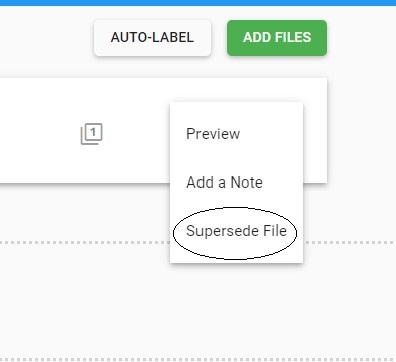
– Prevent use of superseded documents
– Improve accountability

Digital systems provide a structured method of managing document revisions and reducing the risk of costly errors. This is particularly important for large projects involving multiple estimators, subcontractors and reviewers.

Addenda Management

Tender addenda are formal updates issued during the tender period. They may include:
– Revised drawings
– Updated specifications
– Clarification responses
– Additional project information
– Changes to tender conditions
– Extended submission deadlines

Managing addenda manually can be challenging, especially when multiple updates are issued over a short period. Failure to incorporate an addendum may result in:
– Incorrect pricing
– Scope omissions
– Non-compliant submissions
– Increased project risk

Digital tender management systems help track addenda, notify team members of changes and maintain records of all updates received. This helps ensure that pricing and tender documentation remain aligned with the latest project requirements.

Tender Comparison Workflows

Many organisations receive multiple quotations from suppliers and subcontractors during the estimating process. Comparing these quotations accurately is essential for developing a competitive and reliable tender.

Traditional comparison methods often rely on spreadsheets and manual analysis. This approach can create challenges when:
– Multiple quotations are received
– Scope inclusions vary
– Pricing formats differ
– Clarifications are required
– Numerous trades are involved

Digital tender management systems can provide structured comparison workflows that allow estimators to:
– Compare quotations side-by-side
– Identify exclusions and assumptions
– Analyse pricing variations
– Evaluate value rather than price alone
– Document selection decisions

Improved comparison processes help reduce procurement risk and support more informed decision-making.

Collaboration with Estimators and Reviewers

Construction tenders often involve contributions from multiple stakeholders. These may include:
– Estimators
– Project managers
– Commercial managers
– Procurement personnel
– Technical specialists
– Executive reviewers

Coordinating contributions through email and disconnected files can be inefficient and difficult to manage. Digital systems improve collaboration by providing:
– Shared access to project information
– Role-based permissions
– Task assignments
– Workflow management
– Centralised communication

This allows team members to contribute effectively while maintaining visibility over tender progress. Improved collaboration often results in more accurate estimates, stronger submissions and fewer administrative delays.

Audit Trails and Compliance

Tendering activities frequently involve important commercial and contractual decisions. Maintaining clear records of these decisions can be valuable for governance, compliance and future reference. Examples include:
– Document revisions
– Pricing changes
– Approval workflows
– Clarification responses
– Supplier selections
– Tender submissions

Digital systems automatically record many of these activities, creating an audit trail that can be reviewed when required. Audit trails provide several benefits:
– Improved accountability
– Better compliance management
– Easier dispute resolution
– Enhanced transparency
– Reduced reliance on individual memory

For organisations operating in regulated industries or public procurement environments, auditability can be particularly important.

Stage Handover from Tendering to Construction

One of the most critical stages in the project lifecycle occurs after a tender has been successfully awarded. At this point, responsibility transitions from the tender team to the project delivery team.

Unfortunately, valuable information is often lost during this handover process. Examples include:
– Tender assumptions
– Risk assessments
– Supplier quotations
– Subcontractor pricing
– Clarification records
– Programme commitments
– Scope inclusions and exclusions

When information is not transferred effectively, project teams may unknowingly make decisions that conflict with the assumptions used during tender preparation.

Digital tender management systems help preserve this knowledge by maintaining a complete record of the tender process. Rather than creating a separate project file from scratch, information can be transferred directly into project delivery workflows. This improves continuity between estimating, procurement and construction operations.

For many contractors, effective tender-to-project handover is one of the most valuable benefits of an integrated management system.

Benefits of Tender/Bid Management Software

Digital tender management solutions provide a range of benefits throughout the bidding and tendering process. These benefits may include:

Improved Accuracy
Centralised information and structured workflows help reduce errors and inconsistencies.

Better Document Control
Version management and document tracking improve confidence in project information.

Increased Efficiency
Automation reduces manual administration and repetitive tasks.

Enhanced Collaboration
Team members can work together more effectively regardless of location.

Reduced Risk
Improved visibility and control help identify issues before they affect tender outcomes.

Stronger Governance
Audit trails and approval workflows support compliance and accountability.

Better Knowledge Retention
Project information remains accessible throughout both tendering and project delivery phases.

As construction projects become increasingly complex, many organisations are recognising the limitations of traditional spreadsheet-based processes and investing in more structured digital solutions.

Conclusion

Construction bidding and tendering requires careful management of information, documentation, pricing and stakeholder input. While spreadsheets and email remain widely used, they often struggle to provide the control and visibility required for modern construction projects.

Digital tender management systems help address these challenges by improving document control, collaboration, version management, compliance and project handover processes.

By centralising information and creating structured workflows, contractors can improve tender quality, reduce risk and establish a stronger foundation for successful project delivery.

As the construction industry continues to embrace digital transformation, effective tender management is becoming an increasingly important factor in achieving both operational efficiency and commercial success.

Articles and References

Digital Transformation in Construction Tendering
https://www.constructionplacements.com/

Managing Construction Tender Documents Effectively
https://www.designingbuildings.co.uk/wiki/Tender_documents

Construction Procurement and Tender Management
https://www.projectcubicle.com/

Version Control and Document Management in Construction
https://constructandcommission.com/

Improving Construction Tender Processes
https://www.builderspace.com/

Construction Project Information Management
https://www.contractsspecialist.com.au/

Construction Procurement and Tendering Overview
https://www.goconstruct.org/

Construction Bid Management Software
https://www.webuildcs.com/bid-management/

Bid/Tender Management User Guide
https://www.webuildcs.com/au/user-guide-in-use-bid-tender-management-main-page/

Stage Handover Tender to Construction
https://www.webuildcs.com/au/tender-management/stage-handover-au/

© 2026  Tenderfield Pty Ltd – All rights reserved.

Button Appstorebutton googleplay