Construction Knowledge Bank
Contract Management –
Delay Notice
Use Back button ← on your browser to return to previous menu


Use Back button ← on your browser to return to previous menu
Construction projects often suffer from delays due to a wide variety of reasons, which can have severe impacts on a project’s cost and completion date.
Construction delays could be defined as the time overrun, either beyond the completion date specified in a contract or beyond the date that the parties agreed upon for the delivery of the project or part of the work on a project.
It is important to understand that a Delay Notice of delay is not a claim. It provides a preliminary notification of the grounds for a possible future claim. Some contracts specify that the contractor is not to be compensated for delays unless a Delay Notice was given. It is therefore crucial for the contractor to issue a notice whenever there is a delay.
A Delay Notice is issued by the contractor to the principal (or by a subcontractor to the main contractor) advising that a delay may occur to the work. It gives the party receiving the notice an opportunity to review, consider, discuss, and make informed decisions in an effort to reduce or avoid the delay and/or its consequences.
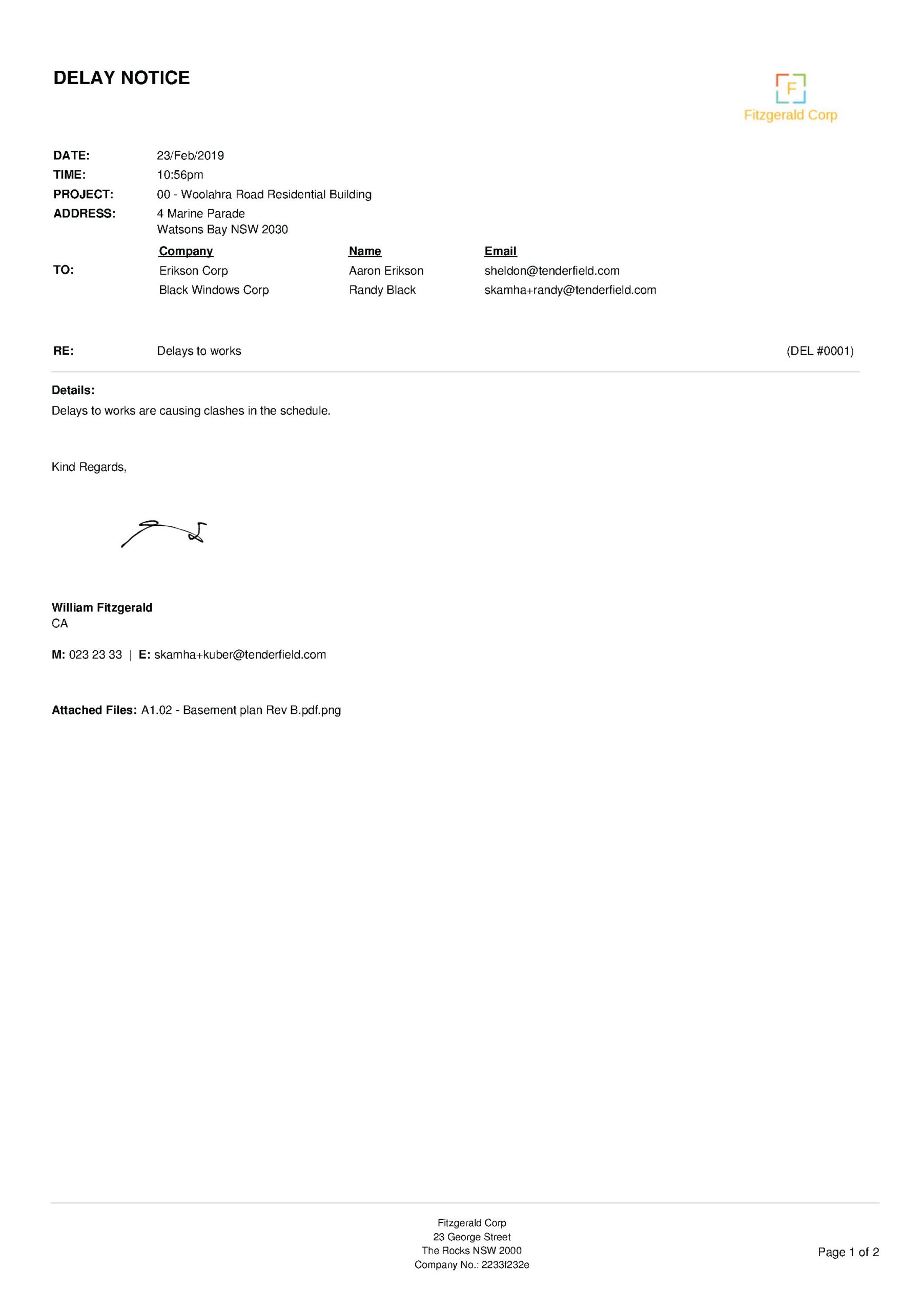
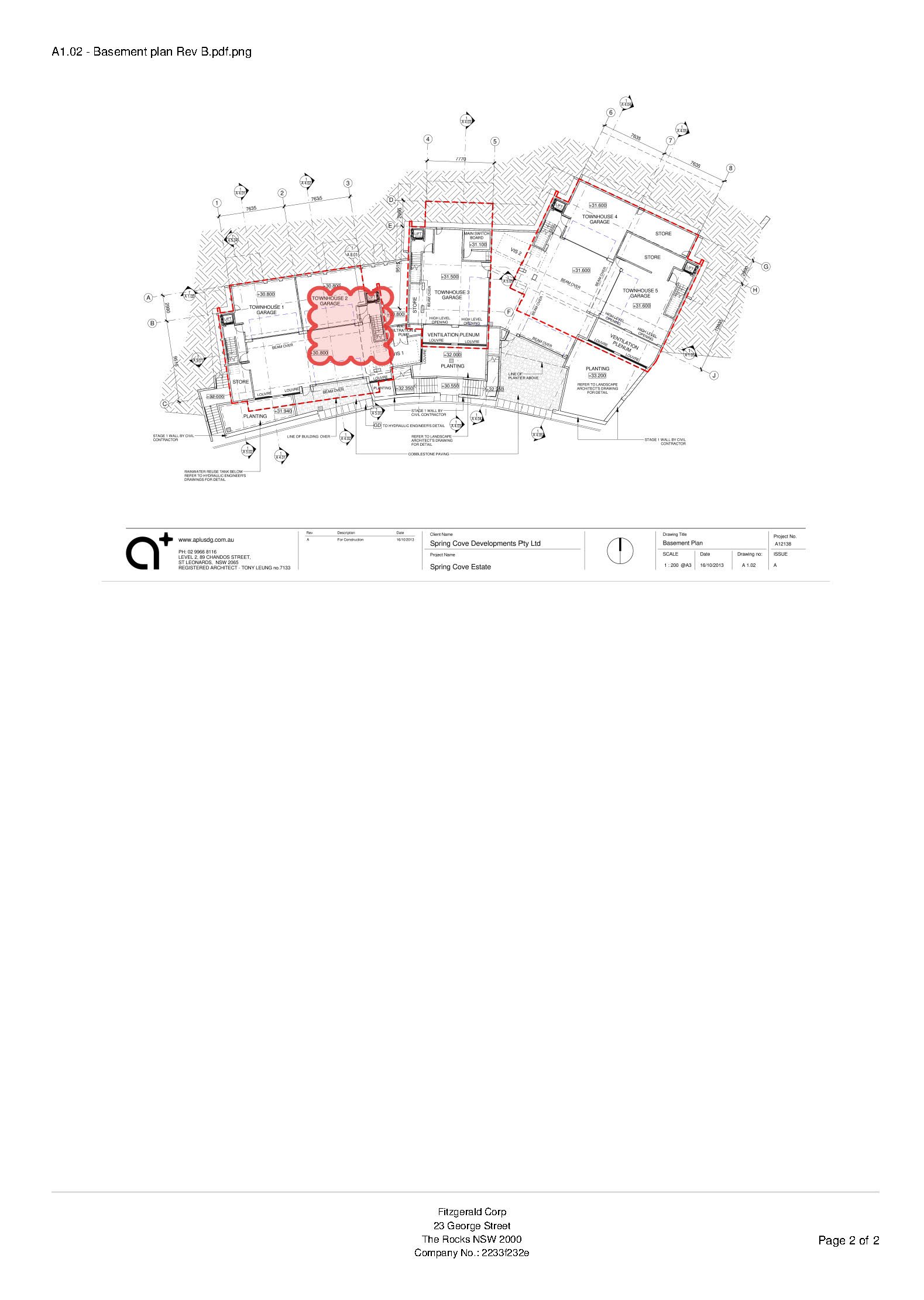
– A short description of the related event or issue and how it caused a delay to the project, and an estimate of the amount of time the project will be delayed.
– As much information as possible about the potential additional costs or schedule extension as a result of the delay. Costs include labour, material, equipment, and overheads. If a schedule extension is likely to be required, an estimate of time delay should be provided.
– Backup documentation to corroborate the cause and potential impact of the delay. This may include photos, weather reports, correspondence with sub-contractors or suppliers, and other relevant documents.
Construction delays are common occurrences in the industry and can significantly impact project timelines, budgets, and overall success. In order to effectively manage construction delays, it is essential to have a robust system in place for issuing and managing delay notices. Delay notices serve as a formal communication tool to notify project stakeholders of potential or actual delays and to document the reasons and impacts of those delays.
This section discusses the importance of effective management of construction delay notices and outlines some of the strategies that can be employed to streamline the process.
Timely Issuance of Delay Notices
Timely issuance of delay notices is crucial to effective management. As soon as a delay is identified or anticipated, the responsible party should promptly issue a formal delay notice to all relevant project stakeholders. This notice should clearly outline the reasons for the delay, provide supporting documentation, and estimate its impact on project timelines and costs. Timely communication allows project teams to proactively address the delay and take necessary measures to mitigate its effects.
Detailed and Accurate Documentation
Effective management of construction delay notices requires detailed and accurate documentation. All delay notices should include comprehensive information about the cause of the delay, such as unforeseen site conditions, design changes, or supply chain disruptions.
Additionally, the notice should specify the exact dates and duration of the delay, as well as the potential impact on project milestones and critical path activities. Accurate documentation is crucial in resolving disputes, demonstrating compliance with contractual obligations, and supporting claims for schedule extensions or additional costs.
Collaboration and Communication
Collaboration and open communication among project stakeholders are essential for effective management of delay notices. Project teams should establish effective channels of communication and maintain regular meetings to discuss and address potential delays. By fostering collaboration, all parties can work together to find solutions and mitigate the impact of delays. Regular updates and progress reports should be shared to keep everyone informed about the status of the delay and any actions taken to resolve it.
Compliance with Contractual Obligations
Efficient management of construction delay notices involves strict adherence to contractual obligations. Contractual agreements often specify the requirements and timelines for issuing delay notices. Project teams should carefully review and understand these obligations to ensure compliance. Failure to adhere to contractual requirements may result in disputes, claims denial, or even legal ramifications. Therefore, it is crucial to have a comprehensive understanding of the contract and its provisions related to delay notices.
Proactive Risk Management
Proactive risk management is essential in effectively managing construction delay notices. By conducting a thorough risk assessment before the start of the project, project teams can identify potential risks and develop contingency plans to mitigate their impact.
Proactive risk management includes identifying potential causes of delay, creating alternative strategies, and establishing protocols for issuing delay notices. By being prepared, project teams can effectively manage delays and minimize their impact on project timelines and budgets.
Proper Documentation of Delay Impacts
In addition to issuing delay notices, project teams should document the impacts of delays in detail. This includes recording any additional costs incurred, such as extended labour, equipment rentals, or project overheads. All supporting documentation, such as invoices, receipts, and time logs, should be properly collected and organized. This comprehensive documentation is crucial for substantiating claims for time extensions or additional compensation due to delays.
Impact of Construction Delay-Controlling Parameters on Project Schedule: DEMATEL-System Dynamics Modeling Approach
https://www.frontiersin.org/articles/10.3389/fbuil.2022.799314/full
Exploring the significant factors that influence delays in construction projects
https://www.ncbi.nlm.nih.gov/pmc/articles/PMC8085700/
How to draft the perfect notice of delay
https://www.linkedin.com/pulse/how-draft-perfect-notice-delay-why-theyre-lot-more-important-tuhtan
An Overarching Review on Delay Analyses in Construction Projects
https://www.mdpi.com/2075-5309/11/3/109
Improving the efficacy of delay notification process of construction projects in Sri Lanka
https://www.tandfonline.com/doi/abs/10.1080/15623599.2019.1581593
Delay Events in Construction Delay Claims
https://www.hka.com/wp-content/uploads/2022/04/Delay-Events-in-Construction-Delay-Claims_April2022_V1.pdf
Developing a user plug-in to assess delay causes’ impact on construction projects in Egypt
https://www.sciencedirect.com/science/article/pii/S2090447921001908
Avoiding liability arising from delay
https://plannedcover.com.au/avoiding-liability-arising-from-delay-steps-for-construction-consultants-and-builders/
Concurrent Delay in Construction Explained
https://www.flexbase.app/construction-resources/concurrent-delay-in-construction

