Construction knowledge Bank
Project Management
Task Management
Use Back button ← on your browser to return to previous menu


Use Back button ← on your browser to return to previous menu
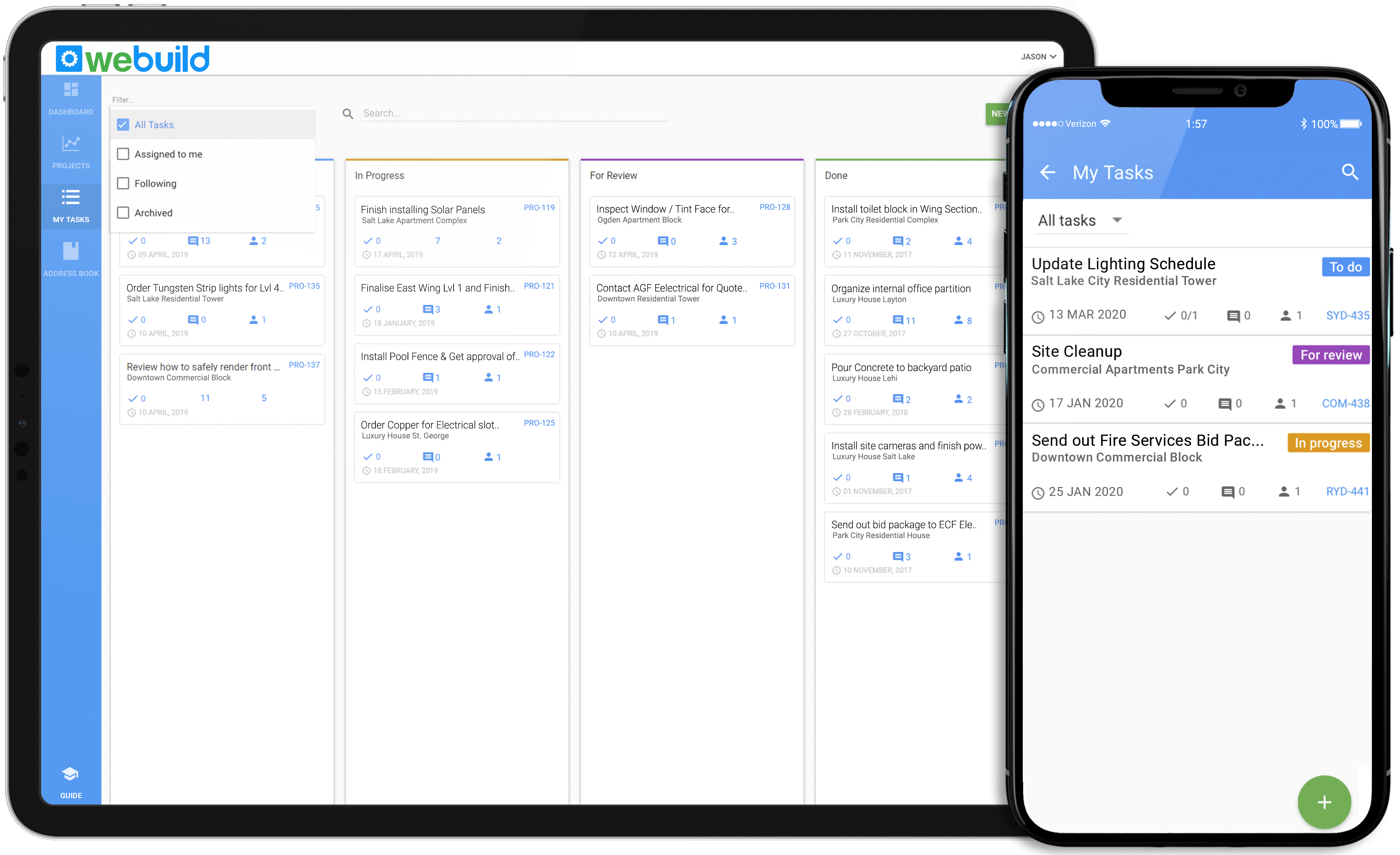
Construction contractors allocate various tasks to project participants in the course of delivering a project, and the effective management of these tasks is essential for project efficiency, quality, and timely delivery. This section explores the importance of efficient task management, and provides insights into strategies that can be employed to achieve optimal performance.
1. Task Identification and Definition:
– Begin by identifying all the tasks required to complete the project, considering the project scope, objectives, and deliverables.
– Clearly define each task, ensuring they are specific, measurable, achievable, relevant, and time-bound (SMART).
– Break down larger tasks into smaller, manageable sub-tasks for better planning and control.
2. Task Prioritization and Sequencing:
– Prioritize tasks based on their importance to project success, dependencies, and criticality.
– Sequence tasks in a logical order, ensuring that dependent tasks follow a predetermined sequence.
– Consider the availability of resources, deadlines, and any external constraints when sequencing tasks.
3. Resource Allocation and Management:
– Assess the resource requirements for each task, including manpower, equipment, materials, and subcontractors.
– Allocate resources efficiently, considering their availability, skillsets, and project timelines.
– Continuously monitor resource utilization and make adjustments as necessary to avoid bottlenecks and delays.
4. Task Estimation and Scheduling:
– Estimate the time required to complete each task based on historical data, expert judgment, and input from the project team.
– Develop a detailed project schedule, including task start and end dates, milestones, and critical path analysis.
– Utilize project management software to create and manage the task schedule effectively.
5. Task Assignments and Accountability:
– Assign tasks to appropriate team members based on their expertise and responsibilities.
– Clearly communicate task assignments, expectations, and deadlines to all team members.
– Establish accountability mechanisms to ensure task completion within the defined timelines.
6. Monitoring and Control:
– Regularly monitor the progress of tasks against the project schedule.
– Track actual versus planned progress, identify any deviations or delays, and take corrective actions promptly.
– Conduct regular progress meetings, update stakeholders on task status, and address any issues or obstacles.
7. Communication and Collaboration:
– Establish effective communication channels among project stakeholders to ensure smooth task management.
– Encourage collaboration and coordination among team members to streamline task execution and resolve conflicts.
– Foster an environment that promotes open communication, feedback, and problem-solving.
8. Risk Management:
– Identify potential risks that may impact task completion and project timelines.
– Develop mitigation strategies to minimize the impact of risks on tasks.
– Continuously monitor and evaluate risks throughout the project and adjust task management strategies accordingly.
– Ensures tasks are completed on time, allowing for timely project delivery.
– Optimizes resource allocation, minimizing inefficiencies and reducing costs.
– Enhances project coordination, collaboration, and communication among team members.
– Identifies potential bottlenecks and risks, enabling proactive mitigation.
– Provides a clear roadmap for project execution, facilitating effective decision-making.
– Improves overall project control and enables timely adjustments to deviations or delays.
– Enhances stakeholder satisfaction by meeting project milestones and deadlines.
This section explores the importance of efficient task management for construction contractors, and provides insights into strategies that can be employed to achieve optimal performance.
Clear Task Assignments
To ensure efficient task management, clear and well-defined task assignments are essential. Construction contractors should provide detailed instructions, including project objectives, timelines, and deliverables. Clear task assignments help project participants to understand their responsibilities and expectations, reducing confusion or misunderstandings. This clarity enables participants to plan and execute their tasks more efficiently, minimizing delays and errors.
Effective Communication
Effective communication is a key factor in efficient task management. Construction professionals should establish open lines of communication with other project stakeholders, ensuring that information flows smoothly between all parties involved. Regular meetings, progress updates, and clear channels of communication help address any issues or challenges promptly. By promoting effective communication, construction professionals can provide necessary guidance, answer queries, and ensure that tasks are progressing as planned.
Prioritization and Scheduling
Efficient task management requires prioritization and scheduling of construction contractor activities. Construction contractors should work closely with their team members and external project collaborators to establish a task hierarchy based on project deadlines, dependencies, and critical path analysis. By identifying critical tasks and allocating resources accordingly, construction contractors can optimize time management and reduce bottlenecks. Scheduling tasks effectively ensures that all project participants can plan their work efficiently, preventing unnecessary delays and conflicts.
Resource Allocation and Management
Appropriate resource allocation and management are crucial for efficient task management. Construction contractors should assess the resources required for each task and allocate them accordingly. This includes manpower, equipment and materials. Effective resource management ensures that project participants have the necessary tools and support to complete their tasks efficiently and on schedule. Regular monitoring and adjustment of resource allocation help avoid resource shortages or overutilization, leading to smoother task execution.
Monitoring and Performance Evaluation
Monitoring and evaluating the performance of tasks are essential for efficient task management. Construction contractors should regularly assess the progress of tasks, ensuring that those responsible are adhering to timelines and quality standards. By tracking performance, contractors can identify potential issues or bottlenecks early on and take corrective measures promptly. Constructive feedback and performance evaluations help contractors improve efficiency and deliver high-quality work.
Collaboration and Coordination
Efficient task management also relies on effective collaboration and coordination among a contractor’s own team members and with other project stakeholders. Construction professionals should foster a collaborative environment, encouraging all project stakeholders to work together, share knowledge, and resolve any conflicts or issues that may arise. Coordination among different project stakeholders and project teams helps ensure a smooth workflow, preventing delays and enhancing overall project efficiency.

